
Fraud in Business: Reducing the risk of fraud

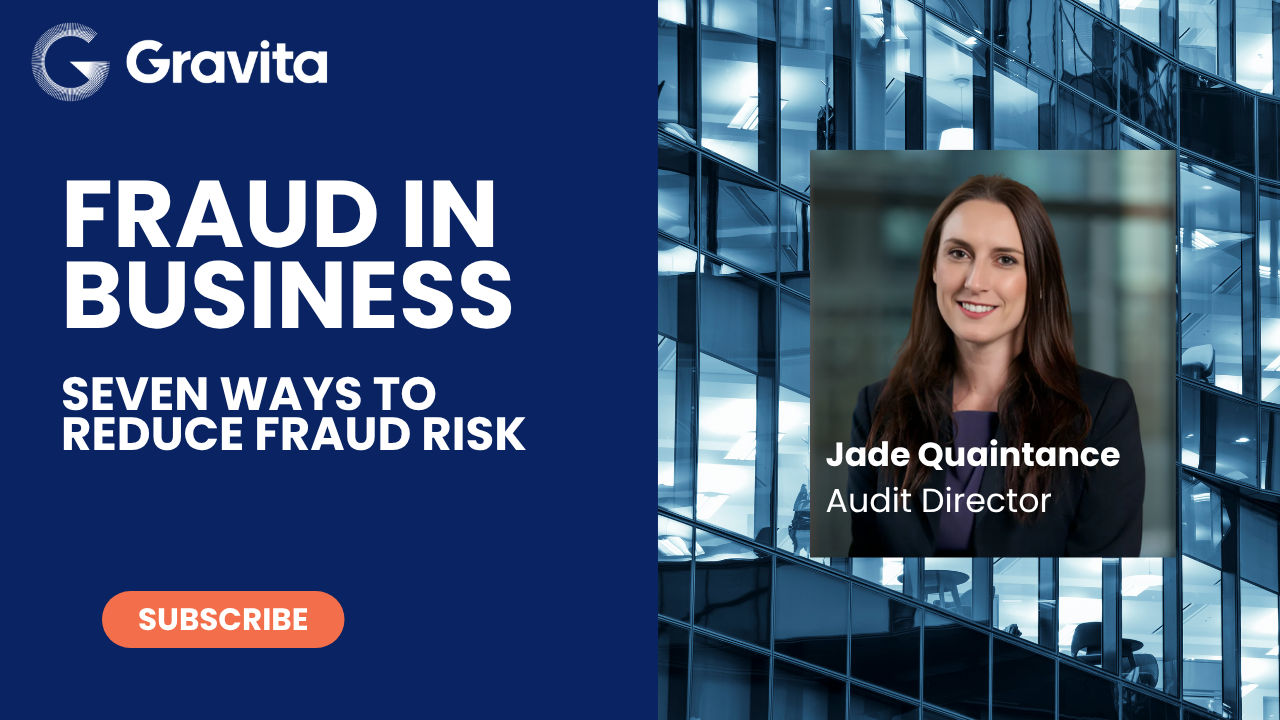
Fraud affects organisations of every size. While many business owners assume it is something that happens elsewhere, the reality is that fraud can occur wherever there are weaknesses in processes, controls or oversight.
The financial impact can be significant, but the damage often extends further. Fraud can affect staff morale, customer confidence and the reputation of the business itself.
Fraud takes many forms, from employees abusing their position to increasingly sophisticated cyber-attacks. Understanding the risks is the first step towards reducing them.
How can the risk of fraud be reduced?
Although controls and process cannot completely eliminate fraud it greatly reduces the occurrence and extent of the fraud being committed.
Our top seven tips for preventing and detecting fraud are as follows:
1. Anti-fraud policy and culture
Have a clear policy in place that fraud will not be tolerated and the consequences to the staff member if they are caught. This should be communicated to all employees.
2. Scrutinise your systems
For all areas of your business think about where, when and how a fraud could occur. Target the areas you consider to be key risk to you and develop systems to prevent the fraud. The system doesn’t have to be complex. Examples of effective controls could be:
- Supervision and review
- Segregation of duties
- Physical controls and counts
- Approval of payments by limited staff
- Checking of delivery notes to invoices
- Regular reconciliation of bank accounts
This review should take place on a regular basis.
3. Segregation of duties
Where staffing permits, tasks should be shared between a number of staff rather than one person being responsible for everything. For example, the person placing an order for stock should be different to the person receiving the invoice and entering it into the accounts. Where possible the person responsible for the accounting entries should not be able to make payments from the bank.
4. Regular review of your finances
Regular reconciliation of bank, customer and supplier accounts as well as a comparison of actual figures to expectations or to previous figures can highlight areas of unusual activity. Where something looks strange ask questions until you are satisfied that the explanation given makes sense.
5. Software
Ensure all software is up to date with anti-virus software to reduce eth risk of cyber-attacks.
All software should be password protected and access to certain parts of your system should be limited to key staff only.
6. Unusual emails
Fraudsters are becoming much cleverer and with the increase of our reliance and use of technology and emails in our business the risk of receiving a fraudulent email is increasing.
Staff should be vigilant when receiving emails, especially those asking for payments. If the request falls outside of your businesses normal process for making payments or seem strange, then staff should be querying this with you.
7. Staffing
When recruiting staff check references carefully.
Beware of staff whose demeanour has changed. Would this be due to financial pressures they are facing, are staff unhappy at work and holding a grudge?
If key people are away for a period of time are there significant changes to your finances for example improvement in your cashflow, more stock held than usual. This could be an indicator of potential fraud.
How we can help
If you would like to discuss any of the issues raised in this article please do contact us, or reach out directly to Jade Quaintance.
Similar Insights

Starting a business? Why the right foundations matter from day one

A VAT cut may help hospitality, but it is not a silver bullet
FRS 102 debt modifications: Common accounting pitfalls and what finance teams need to know
Sign up to Gravita's latest updates and newsletters
Stay up-to-date with our event invites, latest news and updates, straight from Gravita's experts.