
Andy Burnham’s 10% Inheritance Tax proposals

Over the last few days there has been a certain amount of speculation about a possible introduction of a so called “death tax” to cover the cost of social care by the new Andy Burnham administration.
Because this is speculation only, details on what this might look like are light, but the assumption is that this will replace the current Inheritance Tax regime, which taxes estates at a rate of 40% over and above various allowances and thresholds, with a flat 10% tax on assets held on death.
It is not clear on how this might work, but on the basis that our new Prime Minister is expecting to be able to raise an additional £18.7 billion a year, it is unlikely to not leave at least some families worse off, and it seems as though it will be the poorest families who carry the burden.
How it could work
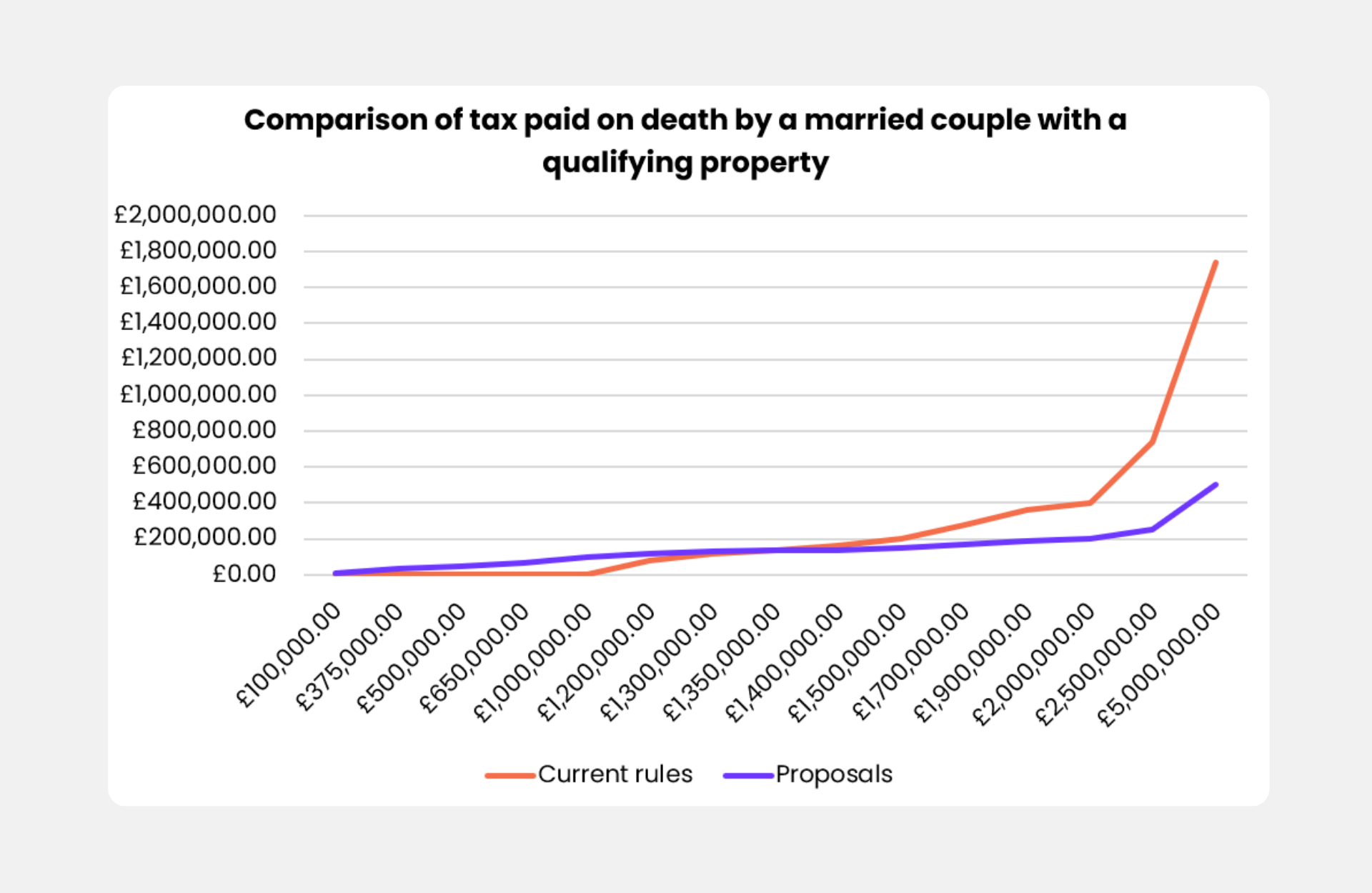
As things currently stand, in very simplistic terms, IHT is paid at a rate of 40% on the net value of estates, over an above a nil rate band of £325,000 and possibly a further residential nil rate band of £175,000 (available to offset against the value of residential property left to direct descendants on death where the total value of the estate is less than £2 million). These reliefs can be shared by a married couple/civil partners. So, a couple with children can effectively pass on up to £1 million free of IHT.
If these proposals work the way that we think they could, the family of the same couple would be looking at a liability of up to £100,000.
By our calculations, the new proposals would mean that the family of a married couple with a home they leave to their children worse off until the total value of their joint estate reaches at least £1.35 million. Anyone over this threshold is likely to be better off – good news for wealthier taxpayers.
However, that may not necessarily be the full story.
Gross rather than net estate values
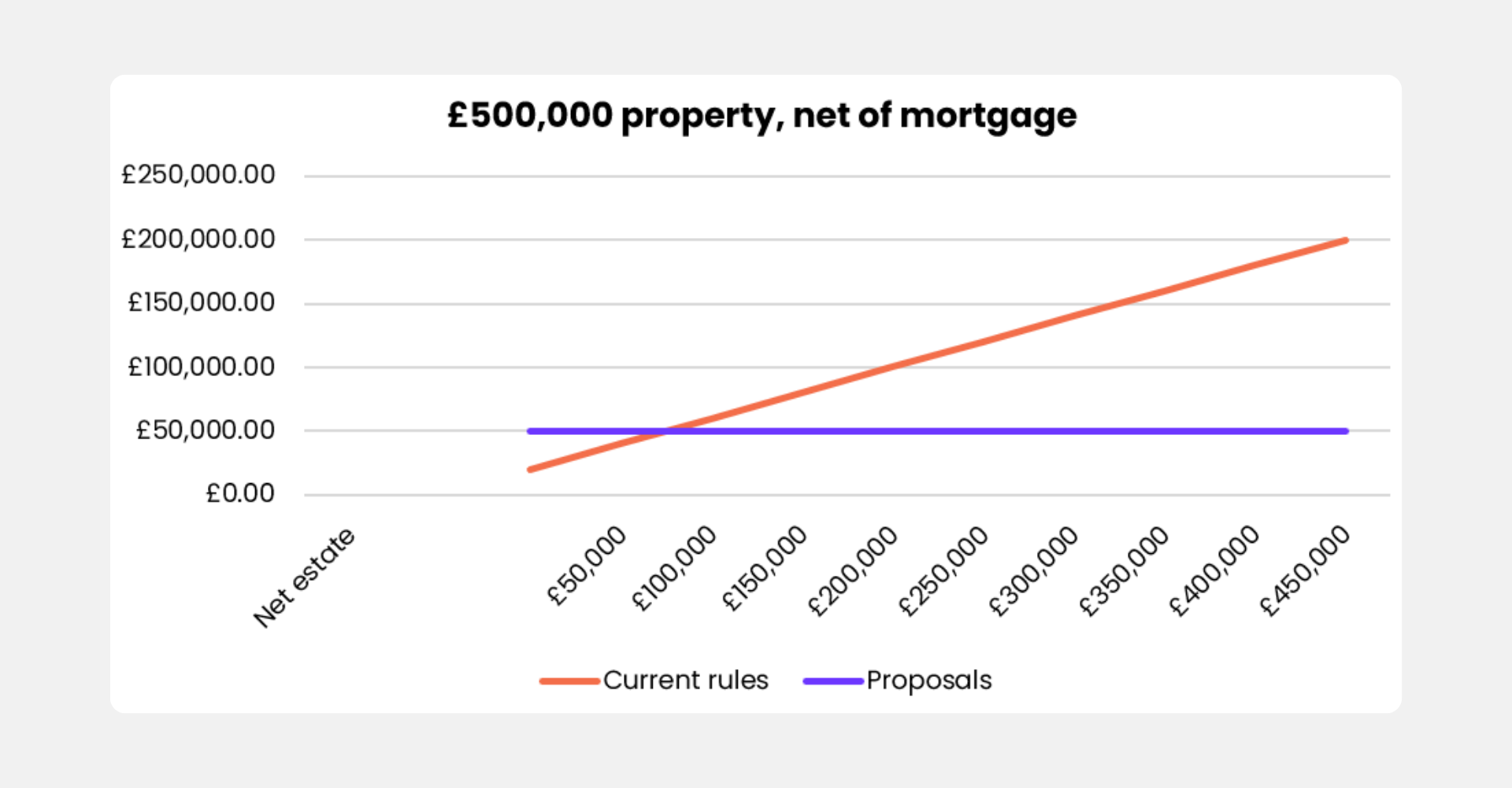
There is also the suggestion that the levy may be on the gross rather than net estate values, i.e. it will not take into account the value of debt secured on the assets of the individual who has passed away.
Whilst raising debt has been used as a tax planning method, most people who have a mortgage or other debt have not done it to reduce their tax – the debt is there because they needed it to be able to afford the property in the first place.
Under these proposals, if we assume that the value of the property is, say £500,000 but there is a mortgage of £400,000, the death tax would be £50,000. At present, the IHT liability (assuming all the other allowances are unavailable) would be a maximum of £40,000. This is an extreme example, and as the debt-to-equity ratio reduces, a 10% tax on the gross rather than a 40% charge on the net actually becomes cheaper, but again, this is likely to favour wealthier taxpayers with lower debts, and not those who have had to take on high mortgages simply to buy their home in the first place.
Any other issues with this proposal?
Pure speculation of course, but there is also no mention of retaining any of the existing reliefs.
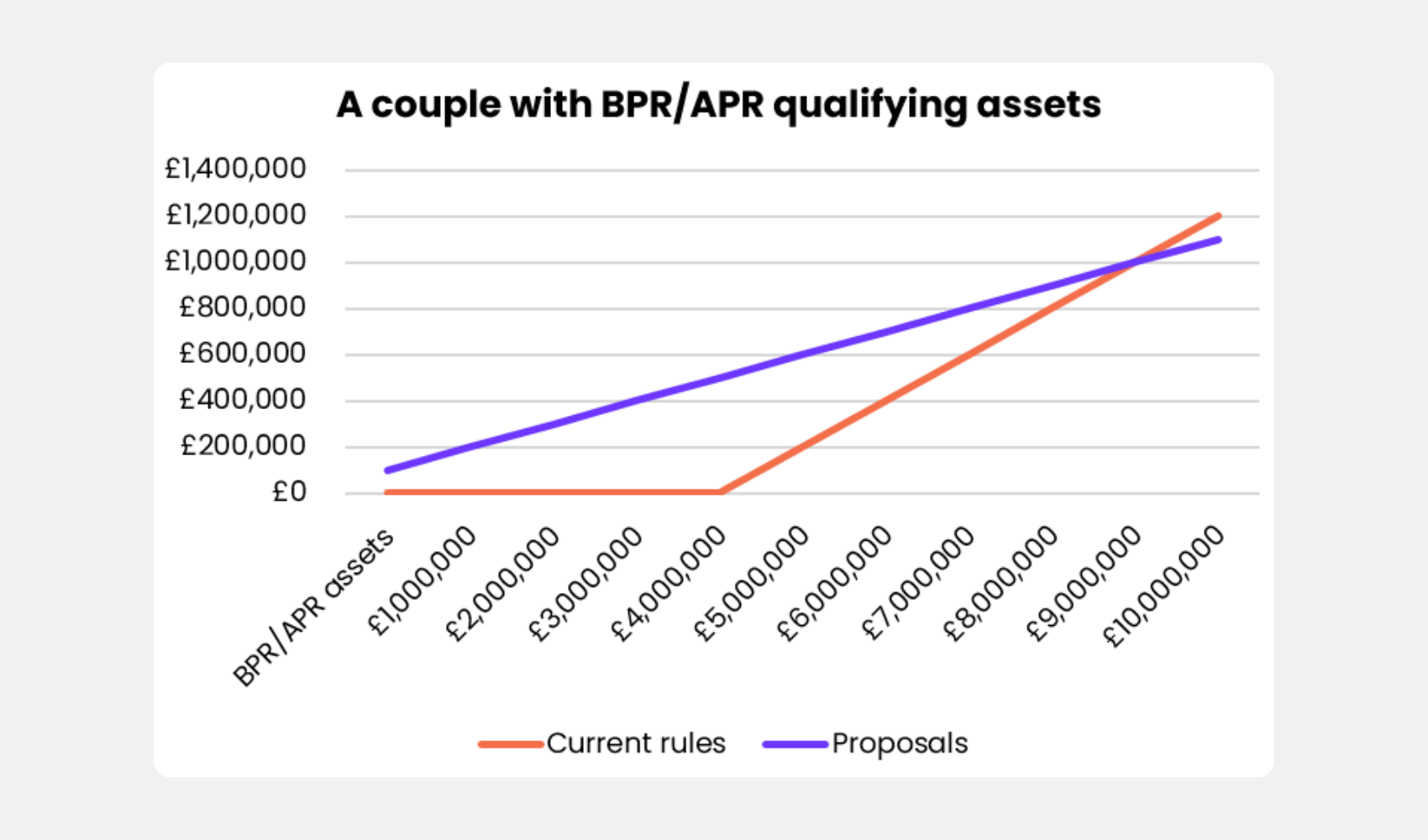
It has been hard to miss the backlash from farmers and small business owners in the lead up to the restriction of both Agricultural and Business Property Reliefs in April 2026, but what if these reliefs disappear entirely as part of these changes? Under the current incarnation of the rules, farmers/business owners can still benefit from 0% inheritance tax on qualifying assets worth up to £2.5 million (£5 million per couple) and pay 20% IHT on the excess. If these reliefs are lost as part of the proposals, a small farmer/business owner who is covered by the relief still could go from paying no IHT to up to £250,000 (or £500,000 for a couple). The amount payable on the excess would fall from 20% to 10%, but again, this only benefits the most valuable farms/businesses (those joint estates worth over £10 million by our calculations), and so again, it is the smallest that suffer, even before taking into account the loss of relief for any debts they might have.
What about gifting rules?
No mention of how tax on gifts could change, so far, but these have been a fundamental part of tax planning since inheritance tax was introduced. As things currently stand, gifts made in the last seven years of a person’s life still need to be taken into account when calculating the final inheritance tax bill. What is not clear is whether this will continue, or will we be dealing with a system which enables people to give away those assets they do not need a short time before death to avoid the tax? Again, this leaves those who cannot afford to give their assets away (or who pass away unexpectedly and without time to plan) at a distinct disadvantage when compared to families who have enough to live on even after they give away the excess.
Our verdict
Whilst the existing inheritance tax regime is hugely unpopular, it is a system that has evolved over a very long time and does at least try to protect the least well off so that only a relatively small percentage of estates, usually the most valuable, suffer the tax (around 5%). Under these new rules it appears that everyone will be asked to pay something to support the care system, even those who arguably have very little. Whether this is fair will be a matter of opinion.
One thing for sure is that most people would not have thought that someone could have designed a system that makes the current IHT rules look reasonable, but apparently, they might just have done precisely that… or is this just a clever piece of marketing?!
Similar Insights

How AI is changing accountancy

IFRS 18: What the new Financial Statement Presentation Standard means for UK businesses

Gravita property bulletin – Q3 2026
Sign up to Gravita's latest updates and newsletters
Stay up-to-date with our event invites, latest news and updates, straight from Gravita's experts.