
IFRS 18: What the new Financial Statement Presentation Standard means for UK businesses

The presentation of IFRS financial statements is set for its biggest change in a generation. For accounting periods beginning on or after 1 January 2027, UK-adopted IFRS reporters will be required to adopt IFRS 18 Presentation and Disclosure in Financial Statements, which replaces IAS 1 Presentation of Financial Statements. The new standard introduces significant changes to the structure of the income statement, new disclosure requirements for management-defined performance measures, and enhanced guidance on how financial information should be grouped and presented.
While IFRS 18 does not fundamentally change how most transactions are recognised or measured, it will change how many businesses communicate financial performance to investors, lenders, analysts and other stakeholders.
At Gravita, we are already helping listed companies, international groups and IFRS reporters assess the implications of IFRS 18 and prepare for implementation.
Who will be affected by IFRS 18?
The new standard applies to all entities reporting under IFRS Accounting Standards and replaces IAS 1. For UK businesses, IFRS 18 has been endorsed by the UK Endorsement Board and applies to entities reporting under UK-adopted IFRS from 2027.
This means the changes will affect:
- AIM-listed companies
- Main Market listed entities
- Private groups reporting under IFRS
- International subsidiaries within IFRS groups
- Investment entities
- Technology businesses
- Energy and natural resources companies
- Manufacturing and service organisations
For many finance teams, implementation will require more than a simple update to the statutory accounts template. It may require changes to reporting packs, chart-of-accounts mappings, management reporting processes and investor communications.
Why was IFRS 18 introduced?
Historically, IFRS has given companies flexibility in how they structure their statement of profit or loss. While this flexibility has enabled businesses to tailor reporting to their circumstances, it has also reduced comparability between organisations. Investors often find it difficult to compare the performance of companies that use different income statement formats or alternative performance measures.
IFRS 18 seeks to address this by introducing a more consistent framework for presenting financial performance and explaining management’s view of underlying results.
A new structure for the income statement
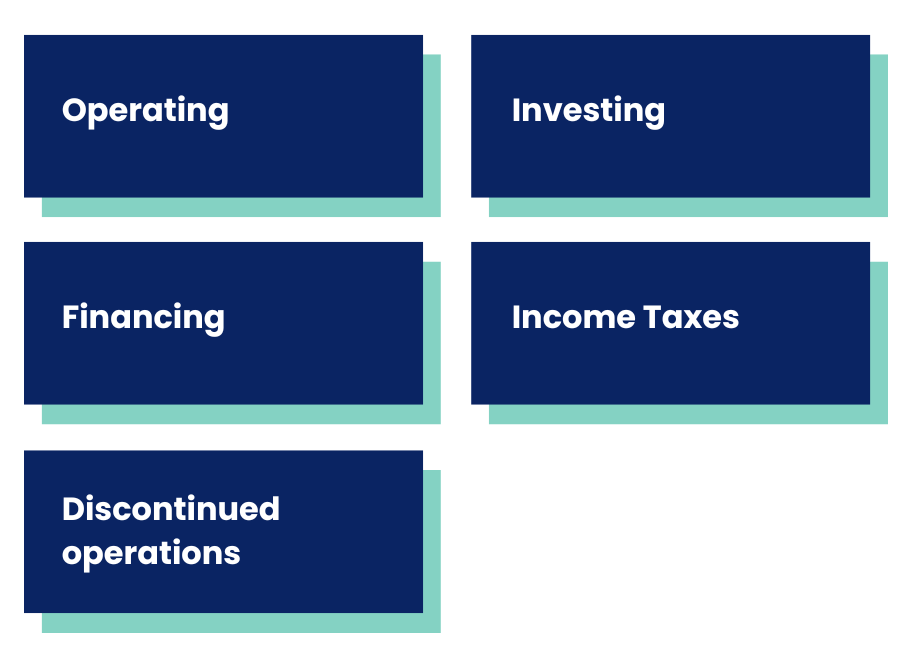
One of the most significant changes introduced by IFRS 18 is the requirement for a more clearly defined income statement structure. This is intended to improve consistency across IFRS reporters and help users of financial statements better understand how different elements of performance contribute to overall profitability. Income and expenses will be classified into five categories.
New mandatory subtotals
IFRS 18 also introduces two important mandatory subtotals:
Operating profit
For the first time, IFRS reporters will be required to present an operating profit subtotal in accordance with a specific accounting standard definition. This is likely to be one of the most closely watched changes by analysts and investors, as operating profit is often used as a key measure of operational performance.
Profit before financing and income taxes
A second mandatory subtotal will present profit before financing and income taxes, creating an additional level of consistency between reporting entities. These changes should improve comparability across sectors and reduce ambiguity around how businesses present their financial results.
Greater scrutiny of alternative performance measures
Many companies communicate financial performance using measures that sit outside IFRS, such as, adjusted EBITDA, underlying operating profit, adjusted earnings, normalised profit, and recurring profit measures.
These are often referred to as Management-Defined Performance Measures (MPMs). While investors frequently find MPMs useful, there has historically been inconsistency in how they are calculated and explained.
Under IFRS 18, companies using MPMs will need to provide significantly enhanced disclosures, including:
- Reconciliations to IFRS measures
- Explanations of why the measure is useful
- Descriptions of how the measure is calculated
- Details of any changes in methodology
- Warnings where similar measures used by other companies may not be directly comparable
For listed companies in particular, these requirements are likely to increase both transparency and scrutiny around the use of adjusted profit metrics.
Improved guidance on aggregation and disaggregation
Another important area of IFRS 18 concerns how information is organised throughout the financial statements.
The standard provides enhanced guidance on what information should appear in the primary financial statements, what should be disclosed in the notes, how items should be grouped together and when items should be presented separately.
The objective is to ensure that financial statements provide a clear and structured summary of the entity’s financial position and performance, while detailed supporting information is presented in the notes.
When determining whether items should be aggregated or separated, businesses will need to consider factors such as the nature of the transaction, business function, frequency of occurrence, measurement basis, size and materiality, geographic location and regulatory environment.
For many preparers, this may require a reassessment of current disclosure practices.
When does IFRS 18 become effective?
IFRS 18 is effective for accounting periods beginning on or after 1 January 2027, although early adoption is permitted.
Importantly, application is retrospective. This means comparative information must be restated under the new standard when it is adopted. Entities will also be required to provide a reconciliation between the comparative information previously presented under IAS 1 and the figures presented under IFRS 18.
As a result, businesses should begin assessing implementation requirements well before their first IFRS 18 reporting period.
What should finance teams be doing now?
Although 2027 may seem some distance away, many organisations should start preparations now, particularly where they report under IFRS, use alternative performance measures, have complex reporting structures, operate internationally, or have significant investor or lender reporting requirements. Early planning can help avoid implementation challenges and reduce year-end pressure.
Key areas for review include:
- Income statement structure
- Existing KPIs and adjusted metrics
- Reporting systems and chart of accounts
- Investor presentations
- Audit committee reporting
- Financial statement drafting processes
How Gravita can help
Gravita’s IFRS specialists work with listed companies, international groups and growing businesses on complex financial reporting matters.
We can support with:
- IFRS 18 impact assessments
- Technical accounting advice
- Financial statement reviews
- Management performance measure assessments
- Audit committee briefings
- Implementation projects
- Staff training and workshops
With extensive experience across multiple sectors, our IFRS specialists help businesses navigate new reporting requirements efficiently while maintaining clear and meaningful communication with stakeholders.
If you would like to understand what IFRS 18 means for your financial statements, speak to Gravita’s technical accounting team today. For further assistance, please contact Joseph Brewer, an audit partner in our London office.
Similar Insights

FRS 102 debt modifications: Common accounting pitfalls and what finance teams need to know

Fraud in Business: Understanding employee fraud

Fraud in business: Understanding risk and prevention
Sign up to Gravita's latest updates and newsletters
Stay up-to-date with our event invites, latest news and updates, straight from Gravita's experts.